

Electric vehicles are often celebrated as the clean alternative to gasoline and diesel cars. They promise zero tailpipe emissions and a greener future. But have you thought about what goes into making their batteries, or what happens when those batteries reach the end of their life?
The environmental cost of an electric vehicle begins long before the first drive. From mining raw materials like lithium, cobalt, and nickel to manufacturing, shipping, and eventual disposal, the true impact of EV batteries stretches across continents and ecosystems. To understand the full story, we must look at the entire lifecycle, not just what happens at the tailpipe.
Mining the Materials Behind the Electric Dream
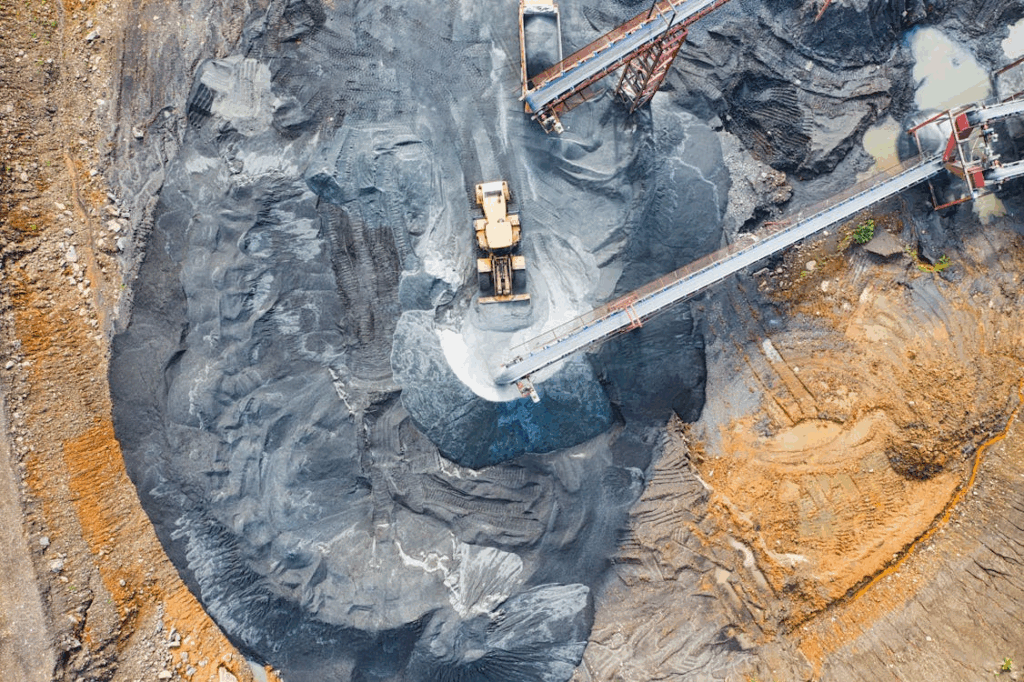
The batteries that power electric vehicles rely on a small set of critical minerals. Lithium, cobalt, and nickel are essential for storing and delivering energy efficiently. However, extracting and processing these materials carries serious environmental and social challenges.
A 2023 report from the European Parliament found that mining and processing raw materials for EV batteries represent a significant portion of the overall environmental impact of electric cars. These materials often come from regions where environmental oversight and labor standards are limited.
Lithium mining, for example, is highly water-intensive. According to Earth.org, producing one ton of lithium can require up to 2 million liters of water. In South America’s “Lithium Triangle” spanning Chile, Argentina, and Bolivia, lithium extraction has already led to reduced water tables, threatening local agriculture and ecosystems.
Cobalt mining, mostly concentrated in the Democratic Republic of Congo, raises additional concerns. Along with environmental degradation, cobalt extraction has been linked to dangerous working conditions and child labor. Nickel mining, concentrated in Indonesia and the Philippines, contributes to deforestation and toxic waste discharge into coastal waters.
When people talk about electric vehicles being clean, they often overlook the environmental footprint left at the start of the supply chain.
Manufacturing’s Carbon Footprint and Lifecycle Emissions
Once the raw materials are extracted, they must be refined and assembled into batteries. This process consumes massive amounts of energy, often sourced from fossil fuels. A 2023 study published in Scientific Reports found that battery production can represent up to 40 percent of an EV’s total lifecycle carbon emissions when powered by coal-heavy electricity grids (Nature.com).
Similarly, a 2023 review from the National Library of Medicine confirmed that producing lithium-ion batteries involves significant greenhouse gas emissions, even before the car leaves the factory.
This means that the carbon savings from driving an electric vehicle depend heavily on where and how its battery was made. If the production happens in a region that relies on coal-fired electricity, the battery’s embedded emissions may take years to offset through cleaner driving.
When comparing EVs and gasoline vehicles, these “hidden” emissions are often left out of the conversation. It is true that EVs emit less carbon dioxide during operation, but their upfront manufacturing footprint can be two to three times higher.
The Challenge of Disposal and Recycling
Electric car batteries do not last forever. Most lithium-ion batteries begin to degrade after eight to ten years of use, depending on temperature, charge cycles, and driving patterns. Once they lose too much capacity, they must be replaced or recycled, which is a process that brings its own environmental issues.
A 2024 study published in the Journal of Ecological Engineering highlighted that recycling EV batteries can generate additional pollution, including hazardous air emissions, wastewater, and solid waste. Recycling requires large amounts of energy to extract and refine metals, and many facilities are still developing cost-effective, clean methods to do so.
The volume of retired EV batteries is set to increase dramatically in the coming decade. A 2025 UN Development Programme report warns that by 2030, millions of tons of used batteries will need processing, yet global recycling infrastructure remains insufficient. Many countries lack the facilities to handle battery waste safely, leading to improper disposal or stockpiling.
While recycling is improving, it cannot yet fully recover all the valuable materials. Current methods typically recover about 60 percent of lithium and up to 90 percent of nickel and cobalt, leaving behind waste that must be treated carefully to prevent soil and water contamination.
Supply Chain Vulnerability and Environmental Trade-offs
The growing demand for electric vehicle batteries has intensified the race for critical minerals. A 2023 study on mineral supply chains found that shortages in lithium, cobalt, and nickel increase the environmental burden as companies source from lower-grade deposits and less regulated regions.
This dependence on a few key resources creates a vulnerable supply chain. When demand spikes, mining expands into more sensitive ecosystems, often without adequate safeguards. The result is more deforestation, polluted waterways, and displaced communities.
The carbon intensity of the supply chain also varies by region. Batteries produced in China, for instance, tend to have higher emissions than those made in countries with cleaner energy grids. This variability underscores how the environmental cost of EVs is tied not only to how they are driven but also to how and where their parts are made.
The European Parliament’s 2023 report notes that creating one electric vehicle battery can generate between 3 to 16 tons of CO₂, depending on the energy mix used during production.
The Myth of “Zero Emissions”
Electric vehicles are often marketed as “zero-emission,” but that label only refers to what comes out of the tailpipe. It does not include emissions from mining, manufacturing, electricity generation, or end-of-life disposal.
This incomplete picture can mislead consumers into thinking EVs have no environmental drawbacks. In reality, their lifecycle emissions are complex and heavily dependent on production methods and energy sources.
When considering an EV, it’s not enough to focus solely on what happens when you drive. You need to account for everything from the first mined kilogram of lithium to the final recycled gram of metal.
Even as battery technology improves, these upstream and downstream challenges remain significant. Cleaner electricity grids, improved recycling systems, and ethical mining standards are necessary to make EVs genuinely sustainable.
What Drivers Should Consider
If you’re thinking about buying an electric car, it’s important to look beyond the marketing. Here are practical steps to evaluate an EV’s environmental footprint more accurately:
- Check where the battery was made. Batteries produced in regions with cleaner energy sources have lower embedded emissions.
- Ask about recycling programs. Choose automakers that have clear plans for end-of-life recycling or second-life applications.
- Review sourcing transparency. Manufacturers that disclose their mineral suppliers are more likely to follow environmental and ethical standards.
- Consider total energy sources. Charging an EV with coal-based electricity reduces its overall benefit.
- Compare lifecycle emissions. Some studies suggest that it can take 3 to 5 years of driving before an EV breaks even on total emissions compared to a modern gasoline car.
As an informed consumer, you can demand higher standards from automakers and policymakers to ensure electric vehicles are truly sustainable.
Final Thoughts
Electric vehicles are an important part of reducing emissions, but their environmental story is far from simple. Mining lithium, cobalt, and nickel leaves scars on landscapes, consumes vast amounts of water, and creates waste that will take decades to manage. Manufacturing adds a heavy carbon footprint before the car ever reaches the road, and disposal challenges are only beginning to surface.
The solution is not to reject electric vehicles but to understand them in full context. Cleaner production, better recycling, and sustainable sourcing are essential if EVs are to deliver on their promise of a greener future.
Next time you hear that an electric car is “zero-emission,” remember to ask: zero emissions where? The answer might surprise you.