

Electric vehicles have gained enormous attention for their promise of cleaner, quieter, and more efficient driving. They represent a shift toward sustainability that resonates with drivers and policymakers alike. Yet, behind the marketing and innovation, there are practical realities that every driver must face before committing to one.
For daily use, especially outside large cities or in regions where infrastructure is still developing, electric vehicles bring a new set of challenges. Range, charging time, cost, and resale value are all real factors that can turn the dream of plug-in convenience into a plug-in problem.
So, before you decide to switch, it is worth asking: is an electric vehicle truly practical for your lifestyle and location?
Range Limitations in Real-World Driving
Range is one of the most critical aspects of EV ownership. Automakers advertise high numbers, but those figures are based on ideal test conditions. Real-world driving often tells a different story.
A 2024 study published in Transportation Research Part D found that range anxiety continues to be a significant barrier to EV adoption. The study revealed that drivers often perceive real-world range to be up to 25 percent lower than official ratings, particularly in colder climates or during highway driving.
Temperature, terrain, and driving habits can drastically reduce range. Running air conditioning or heating, carrying passengers, or towing a small trailer all drain the battery faster. For drivers in rural or global markets where distances between towns are long and charging options limited, range becomes more than an inconvenience. Rather, it becomes a barrier to mobility.
Even in developed markets, range variability remains a concern. A vehicle that can travel 300 miles in perfect conditions might manage only 220 miles in winter or on highways. This unpredictability adds stress for drivers who rely on consistent performance.
Charging Time and Access: The Daily Driver’s Dilemma
Unlike a gasoline vehicle that refuels in minutes, charging an EV requires patience and planning. Fast chargers can restore 80 percent capacity in 30 to 45 minutes, but these chargers are not everywhere. Most public chargers are “Level 2,” which can take several hours to fully charge a battery.
According to a 2024 Innovation News Network report, nearly one in five EV owners reported being unable to charge their vehicles when needed due to either broken chargers or long wait times.
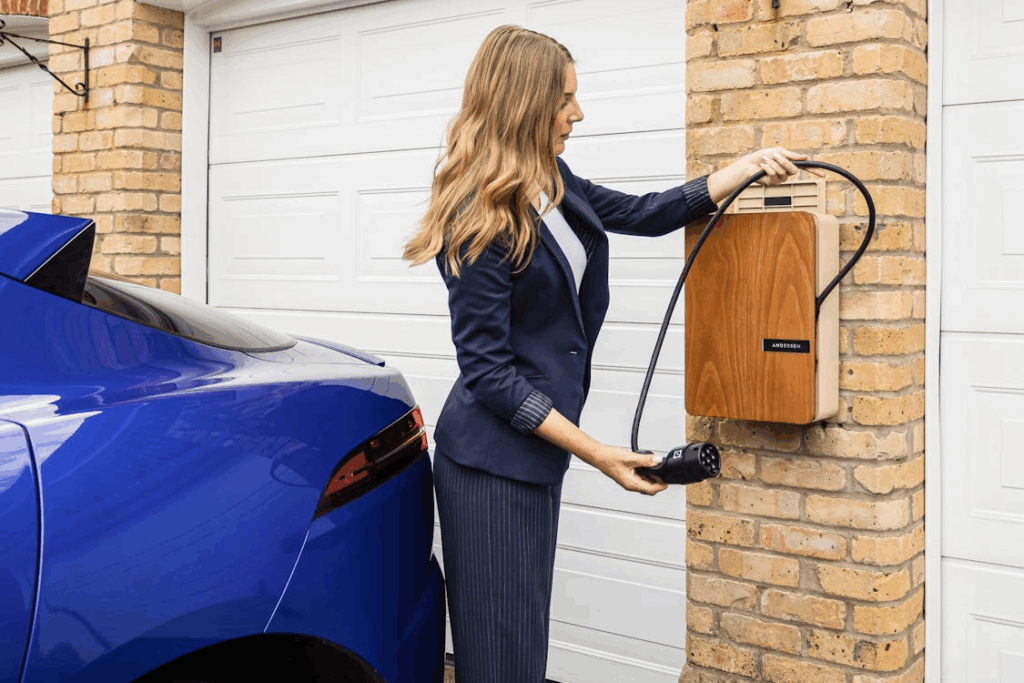
Charging at home may seem like the solution, but not everyone has that option. Apartment dwellers or people who park on the street face real challenges. Even homeowners must consider whether their electrical systems can handle a 240-volt charger installation.
When daily errands, commutes, and unexpected detours depend on battery charge and charging availability, EV ownership can start to feel restrictive rather than freeing. For those who rely on spontaneous travel or tight schedules, waiting for a charge is not always practical.
Electric Vehicle Suitability in Rural Areas
Electric vehicle adoption has grown quickly in urban areas where chargers are concentrated, but rural communities remain underserved. In regions with lower population density, long distances, and inconsistent infrastructure, owning an EV can be inconvenient or even unrealistic.
A 2023 research thesis from the University of Leeds found that rural drivers face more challenges due to limited public chargers, grid constraints, and long travel distances. Charging stations in rural zones are often hundreds of miles apart, and grid reliability can be inconsistent.
These limitations also affect emergency services, logistics, and agriculture, sectors that depend on long-range, heavy-duty vehicles. While gasoline and diesel infrastructure can handle these demands, electric systems still lag far behind in accessibility.
Electric vehicle suitability in rural areas is often overlooked in EV discussions: infrastructure inequality. Until charging networks and power systems become more evenly distributed, electric vehicles will struggle to meet the needs of rural drivers around the world.
Cost, Resale Value, and Ownership Economics
Electric vehicles are typically more expensive to buy than gasoline cars. While running costs can be lower in regions with cheap electricity, the total cost of ownership often depends on usage patterns, energy prices, and government incentives.
A 2024 study published in World Electric Vehicle Journal examined the total cost of ownership (TCO) for EVs compared to internal combustion vehicles. The research showed that while EVs can be cost-effective for high-mileage urban drivers, they may not deliver expected savings for occasional drivers or those in areas with high electricity costs.
Battery replacement is another major financial consideration. Most EV batteries last 8 to 12 years, but replacement costs can range from $5,000 to $15,000, depending on the model. These costs influence resale value since buyers are wary of older EVs with degraded batteries.
According to used car market data compiled by Kelley Blue Book, EVs tend to depreciate faster than gasoline cars, especially in markets where charging infrastructure is limited. The uncertainty around long-term battery life and future technology improvements also makes resale more difficult.
In short, while the technology is promising, the economics of EV ownership still favor certain driving patterns and regions.
Charging Infrastructure: Still Catching Up
Despite significant investments, the global charging infrastructure is still far from ready for mass EV adoption. Many drivers rely on government incentives or employer programs to access chargers, while others depend on an expanding but inconsistent public network.
The International Energy Agency (IEA) reported that there were about 2.7 million public charging points worldwide in 2023. However, more than 60 percent of them were located in just three markets: China, the European Union, and the United States. This means that large portions of Africa, Asia, and Latin America remain underserved.
Even in developed markets, accessibility varies. In the United States, more than 60 percent of chargers are in five states: California, New York, Florida, Texas, and Massachusetts. For most drivers outside these states, charging remains an obstacle.
Until infrastructure becomes more reliable, everyday use of EVs will continue to pose challenges for many households, contributing to EV ownership problems for the daily driver.
The Reality Check: When EVs Meet Real Life
For many people, electric vehicles work best as second cars or short-range commuters, not as primary vehicles for diverse driving needs. Long trips, unpredictable routes, and heavy usage can expose the limits of current technology.
EVs are also less practical in regions where electricity costs are high or where the grid still relies on fossil fuels. In these cases, the environmental and financial benefits are smaller than expected.
Before making the switch, it’s worth considering your driving habits and local conditions. If you drive long distances, live far from charging stations, or depend on your vehicle for work, a gasoline or hybrid car may still offer greater convenience and lower overall costs.
Questions Every Driver Should Ask Before Buying an EV
If you are evaluating whether an electric vehicle suits your needs, consider asking these questions:
- What is your average daily driving distance, and how often do you make long trips?
- Do you have access to reliable home or workplace charging?
- How developed is the public charging network in your region?
- What is the electricity source where you live? Is it renewable, gas, or coal?
- How long do you plan to keep the vehicle, and what is its expected resale value?
EVs can be excellent for certain drivers, but they are not the universal solution that advertisements often imply. The decision should come down to lifestyle, geography, and access, not trends.
Is It Practical for You?
Electric vehicles have made remarkable progress, but practical limits remain. Range, charging time, infrastructure gaps, and long-term costs still challenge their suitability for many drivers, especially those in rural areas or developing markets.
EVs are a step forward in technology, but not every driver needs or benefits from one yet. The key is understanding what fits your life, not what fits the trend.
So ask yourself this: Are you choosing an EV because it matches your driving reality, or because it sounds like the future you’re expected to want?